
June 9, 2025 | By Nick Pfost
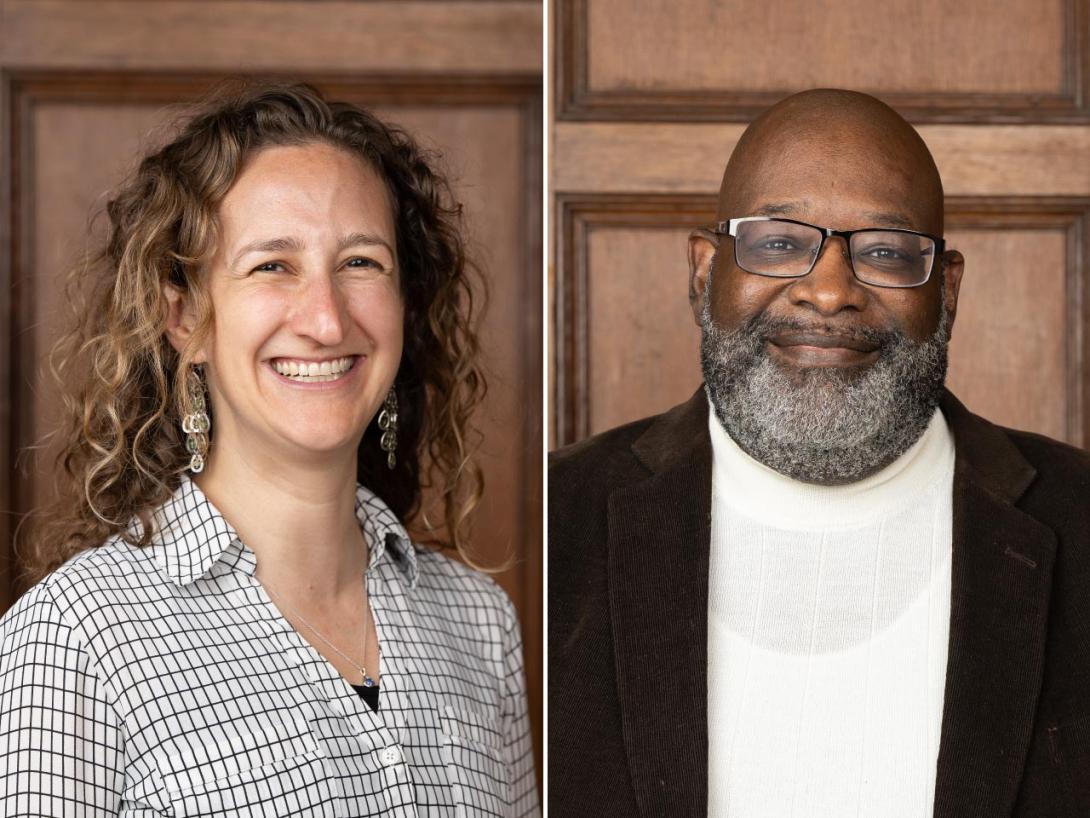
Deborah Slosberg and Roger Fisher have authored a new working paper exploring how inquiry techniques are used in intergroup dialogue to foster understanding and cooperation among diverse groups.
In "Inquiry in Intergroup Dialogue Facilitation: As Practiced at the University of Michigan," Slosberg and Fisher emphasize the power of thoughtful questioning in creating understanding across different backgrounds. The pair also offers practical insights for educators and facilitators aiming to build inclusive and respectful environments.
The paper explains four inquiry techniques used by facilitators to guide these conversations: simple didactic inquiry, reflective inquiry, affirming inquiry, and critical appreciative inquiry. These methods encourage participants to think deeply, share openly, and reflect on their experiences.
Intergroup dialogue is a course and method that encourages structured conversation to increase awareness, build connections, and promote social justice. The Michigan Model of Intergroup Dialogue—created a IGR and used nationally—guides participants through four stages: community building, exploring power and privilege, addressing contemporary issues, and moving toward allyship. Slosberg and Fisher emphasize how, through these dialogues, facilitators play a crucial role in ensuring fair and balanced dialogues while also avoiding harmful questioning practices like interrogation or tokenism.
The publication of "Inquiry in Intergroup Dialogue Facilitation" marked the ninth entry in The Program on Intergroup Relations' working paper series, which highlights innovation in intergroup dialogue research and practice.
Read more